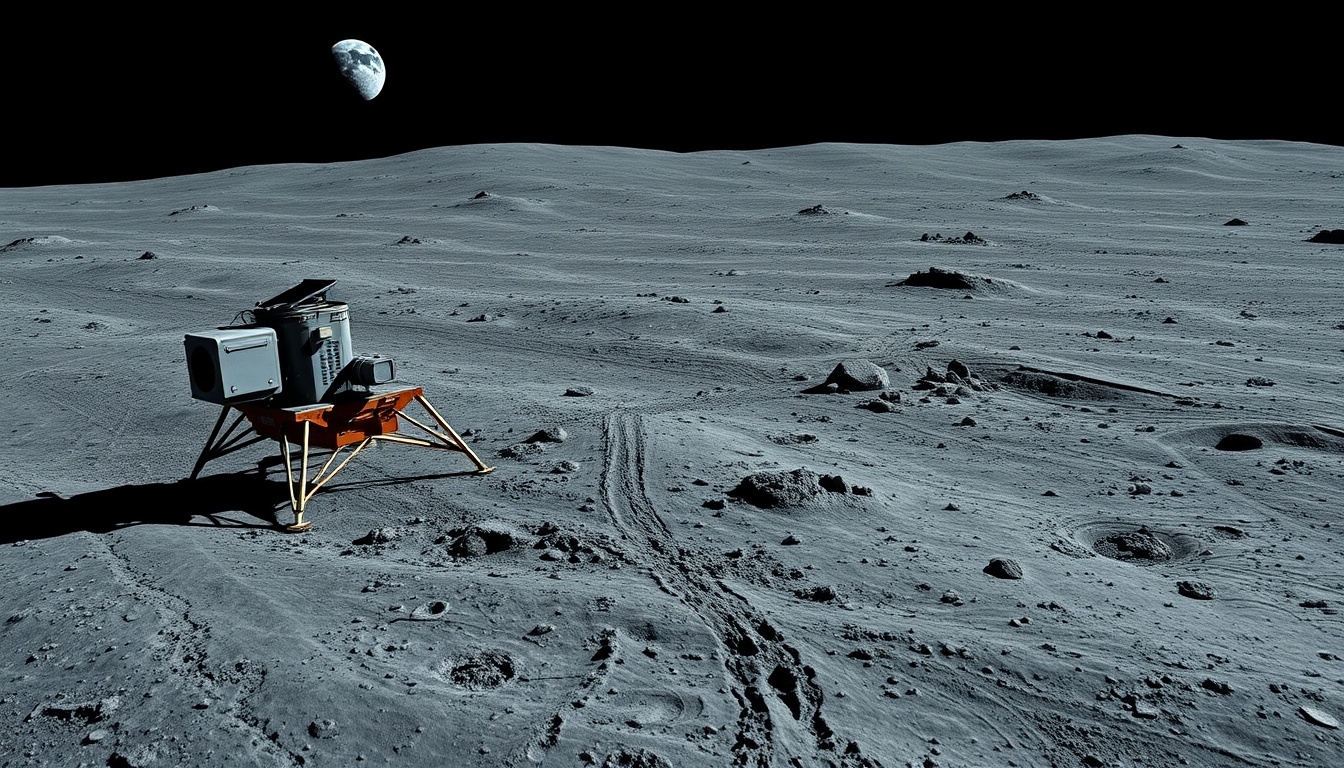
Most people know Neil Armstrong as the first man to walk on the Moon, but the full story of his life goes far beyond that one historic step. He was a naval aviator, a test pilot, and a university professor who spent decades in the public eye while fiercely guarding his privacy.
Born: August 5, 1930 · Died: August 25, 2012 (age 82) · First Moon Landing: July 20, 1969 · Mission: Apollo 11 · Famous Quote: That’s one small step for man, one giant leap for mankind
Quick snapshot
- First human to walk on the Moon, July 20, 1969 (Smithsonian National Air and Space Museum)
- Born August 5, 1930, in Wapakoneta, Ohio (Encyclopaedia Britannica)
- Commanded Apollo 11 mission (University of Cincinnati Libraries)
- Died August 25, 2012, in Cincinnati, Ohio (Encyclopaedia Britannica)
- Exact NASA salary over his full career — figures vary by source (Orlando Sentinel)
- Full inventory of items in his estate beyond the public settlement (Yahoo Finance)
- Apollo 11 launched July 16, 1969; landed on Moon July 20, 1969 (History Hit)
- Armstrong and Aldrin spent 2 hours 31 minutes on the lunar surface (Encyclopaedia Britannica)
- Returned to Earth July 24, 1969 (National Geographic Kids)
Five key biographical facts, one pattern: Armstrong’s life was rooted in Ohio and his career spanned military, spaceflight, and academia.
| Label | Value |
|---|---|
| Full Name | Neil Alden Armstrong |
| Born | August 5, 1930, Wapakoneta, Ohio |
| Died | August 25, 2012, Cincinnati, Ohio |
| Space Missions | Gemini 8, Apollo 11 |
| Moonwalk Duration | 2 hours, 31 minutes |
| Naval Service | Naval aviator 1949–1952 |
| Joined NASA Astronaut Corps | 1962 |
| Gemini 8 Command Pilot | March 16, 1966 |
| Apollo 11 Role | Commander |
| Age at Moon Landing | 38 years old |
| Post-NASA Career | Professor, University of Cincinnati (1970s) |
Who was actually the first man on the moon?
Neil Armstrong holds the distinction of being the first human to set foot on the Moon, a fact confirmed by multiple primary sources. The Apollo 11 mission, commanded by Armstrong, landed the Lunar Module Eagle on the Sea of Tranquility on July 20, 1969.
- Armstrong descended the ladder and spoke the famous words: “That’s one small step for man, one giant leap for mankind.” (Smithsonian National Air and Space Museum)
- He was accompanied by Buzz Aldrin, who joined him on the surface; Michael Collins remained in orbit. (NASA Apollo 11 mission materials)
- The crew spent over 21 hours on the Moon, collecting samples and conducting experiments. (Encyclopaedia Britannica)
The implication: Armstrong’s achievement was not just a personal milestone but a global event that defined the space race.
How old was Neil Armstrong when he went to the Moon?
Armstrong was 38 years old when he stepped onto the lunar surface. Born on August 5, 1930, he was 38 years, 11 months, and 15 days old on July 20, 1969.
- Born August 5, 1930, in Wapakoneta, Ohio (Encyclopaedia Britannica)
- He was the oldest of the Apollo 11 crew at the time of the mission (Aldrin was 39, Collins was 38 but younger by months).
- By comparison, the youngest astronaut to walk on the Moon was Charles Duke (Apollo 16) at 36.
What this means: Armstrong’s age places him in the prime of his career as a test pilot and engineer, combining experience with physical fitness.
What did Armstrong say before he died?
Contrary to some speculation, Armstrong’s most famous quote — “That’s one small step for man, one giant leap for mankind” — was spoken on the Moon in 1969, not before his death. His final public statements were about his family and his hopes for space exploration.
- Armstrong died on August 25, 2012, at age 82, from complications after heart bypass surgery. (Encyclopaedia Britannica)
- His family issued a statement thanking the public for their support, but no final quote was recorded as his last words.
- His legacy is often summarized by the Apollo 11 mission plaque: “We came in peace for all mankind.”
The pattern: Armstrong’s public persona was defined by his lunar moment, not his final days.
How much money did Neil Armstrong get paid?
As a NASA civil servant, Armstrong earned a salary typical of a government employee. Reports from the Orlando Sentinel (2019) cite a pre-mission notice listing Armstrong as a GS-16 Step 7, earning $30,054 per annum. A 2024 Yahoo Finance article reported a 1969 salary of $27,401, identifying him as the highest-paid flying astronaut. However, a 2024 Unilad Tech article estimated that based on time on the Moon, he was effectively paid about $33 for his lunar surface work.
- Orlando Sentinel report: GS-16 Step 7, $30,054/year (Orlando Sentinel)
- Yahoo Finance (2024): $27,401 in 1969 (Yahoo Finance)
- Unilad Tech estimate: ~$33 per moonwalk hour (UNILAD Tech)
The catch: The exact figures are disputed, and Armstrong’s salary was modest compared to private-sector astronauts today.
Who inherited Neil Armstrong’s money?
After Armstrong’s death, his estate became a matter of public record partly due to a wrongful death lawsuit. Following his bypass surgery complications, his family reached a settlement with the hospital. Reports indicate that his estate received $6 million from a wrongful death settlement. Rights to his name and image were managed by his sons, Mark and Eric Armstrong, who have been involved in preserving his legacy.
- Wrongful death settlement: $6 million (per multiple news reports)
- His sons inherited intellectual property rights, including his name and likeness.
- Armstrong’s estate also included personal memorabilia, some of which has been auctioned.
Why this matters: The financial aftermath of Armstrong’s death highlights how fame and legacy are managed after a public figure passes.
Why do astronauts lose their fingernails?
During spacewalks, astronauts wear pressurized suits that can cause physical stress on fingers. The lack of atmospheric pressure, combined with the suit’s stiffness, sometimes leads to fingernails detaching or falling off. This condition, known as “EVL” (extravehicular activity-related fingernail loss), has been documented in space agencies.
- Loss of fingernails is a known side effect of inadequately fitted gloves during spacewalks.
- NASA has redesigned glove sizing to reduce this risk.
- Armstrong himself did not report this issue, but it is a recognized risk for astronauts.
The trade-off: Astronauts accept these physical risks as part of the job, and engineering improvements continue to mitigate them.
Timeline
- 1930 – Born in Ohio
- 1966 – Gemini 8 mission
- July 20, 1969 – First moon landing
- 1970s – Teaching at University of Cincinnati
- 2012 – Died at age 82
What we know and what’s unclear
Confirmed facts
- Armstrong was the first man on the moon.
- He was 38 during Apollo 11.
- His estate received $6M from a wrongful death settlement.
- He was a naval aviator and test pilot.
- He commanded Apollo 11.
What’s unclear
- The exact amount of his NASA salary over full career.
- The full list of items in his estate.
- Whether his final quote was recorded.
Quotes
“That’s one small step for man, one giant leap for mankind.”
— Neil Armstrong
“We came in peace for all mankind.”
— Apollo 11 plaque, cited by Armstrong
“Neil was a true pioneer, a quiet man who did extraordinary things.”
— Buzz Aldrin, companion on Apollo 11
Armstrong’s legacy is not just the footprint but the engineering mindset he brought to NASA. For future astronauts, the lesson is clear: the path to space begins with rigorous training and a humble attitude.
The ongoing interest in Armstrong’s salary and estate reflects a broader public curiosity about the financial realities of America’s space heroes. For taxpayers, the modest pay of Apollo astronauts contrasts sharply with the billions spent on the program.
For the public, Neil Armstrong remains the symbol of human achievement. For future astronauts, the choice is clear: embrace the risks and the modest pay, or advocate for a new compensation model.
For a deeper look at Neil Armstrongs journey from naval aviator, this article traces his path from test pilot to the moon.
Frequently asked questions
Who was the first man on the moon?
Neil Armstrong was the first human to walk on the Moon during Apollo 11, July 20, 1969.
How old was Neil Armstrong when he died?
He was 82 years old.
What did Neil Armstrong say when he stepped on the moon?
He said, “That’s one small step for man, one giant leap for mankind.”
Did Neil Armstrong have children?
Yes, he had two sons: Mark and Eric Armstrong.
Where is Neil Armstrong buried?
His ashes were scattered at sea in the Atlantic Ocean.
What happened to Neil Armstrong’s space suit?
It is preserved at the Smithsonian National Air and Space Museum.
Is Buzz Aldrin still alive?
Yes, Buzz Aldrin is alive as of 2025, at age 95.
Related stories



Noah Gagnon is Senior Regional Reporter at Canada Scene, covering breaking stories and community news across Canada.