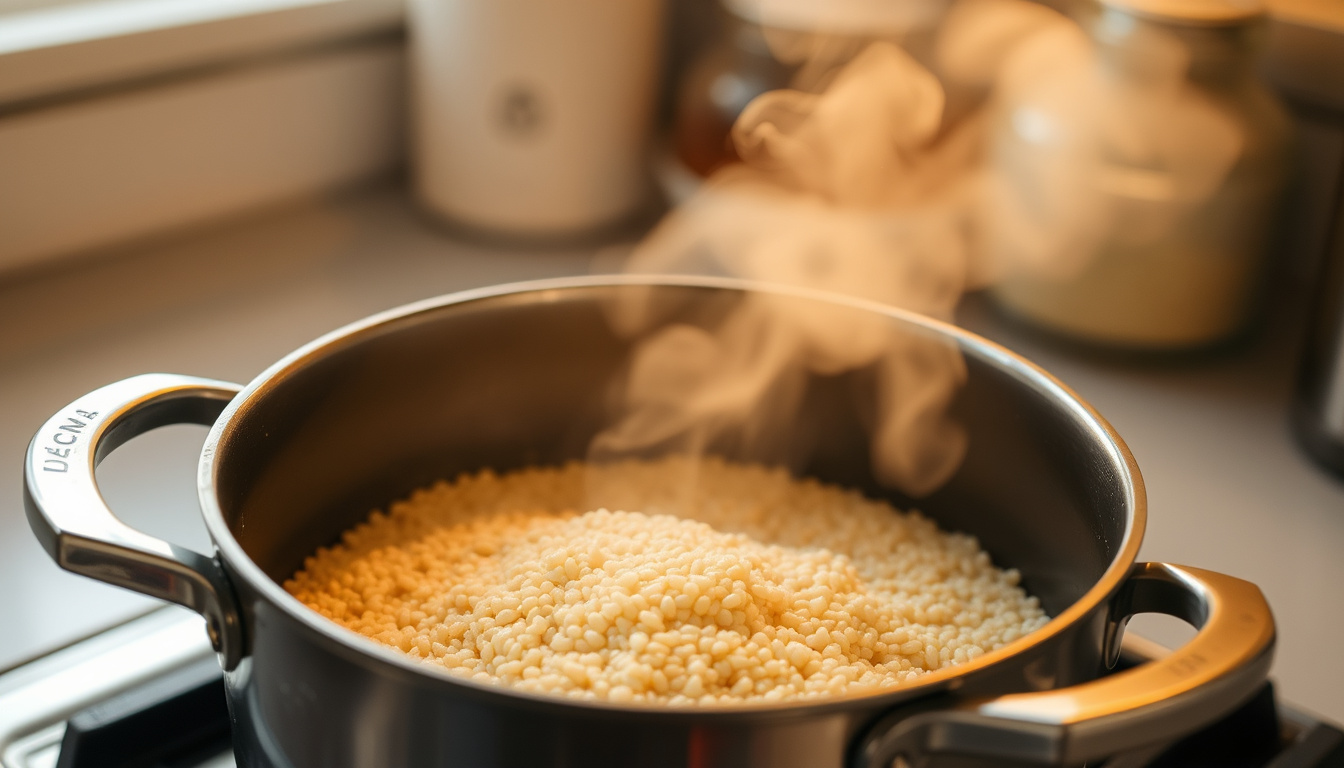

Quinoa has become a kitchen staple for home cooks seeking a nutritious, versatile grain alternative. Despite its popularity, many people find themselves uncertain about the basic techniques needed to prepare it properly. Getting quinoa right—fluffy, not mushy, with no bitter aftertaste—comes down to understanding a few simple principles that apply regardless of which cooking method you choose.
This guide walks through the essential steps for cooking quinoa on the stovetop, including the correct water ratios, preparation techniques, and common pitfalls to avoid. Whether you’re making a quick weeknight side dish or preparing ingredients for meal prep, these methods will help you achieve consistent results every time.
Understanding the fundamentals—such as why rinsing matters and how different varieties behave—can transform your quinoa from mediocre to exceptional. The good news is that mastering quinoa requires no special equipment and only slightly more attention than cooking rice.
What Is the Quinoa to Water Ratio and Cooking Time?
The foundation of perfectly cooked quinoa lies in getting the liquid ratio right. Most sources agree that a 1:2 ratio—one part dry quinoa to two parts liquid—produces reliably fluffy results. However, some cooks prefer slightly less liquid, using ratios of 1:1.75 or even 1:1.5 for a drier, firmer texture that won’t clump together. Testing has shown minimal difference in final texture when the quinoa rests covered for at least 10 minutes after cooking, as the steam continues to work.
Starting with 1 cup of dry quinoa and 2 cups of liquid serves four people as a side dish, yielding approximately 3 to 4 cups of cooked grain. This makes meal planning straightforward, whether you’re cooking for a family dinner or preparing portions for the week ahead.
Cooking times vary by quinoa variety. White quinoa requires the least time, typically 12 to 15 minutes at a gentle simmer. Red and tricolor varieties need slightly longer, around 18 minutes, while black quinoa takes the most time at approximately 20 minutes. These differences occur because darker varieties have thicker outer layers that take additional time to soften.
Key Insights for Best Results
- Use a tight-fitting lid: This traps steam and ensures even cooking without hot spots.
- Let it rest: Removing the pot from heat and letting it steam, covered, for 5 to 10 minutes makes a significant difference in fluffiness.
- Don’t stir mid-cooking: Interfering with the process can break the delicate germ spirals and create mushiness.
- Fluff with a fork: A fork rather than a spoon separates the grains without crushing them.
- Season the liquid: Using broth instead of water adds flavor throughout the grain.
- Toast for depth: Briefly toasting rinsed quinoa in a dry pan for 2 to 3 minutes enhances the nutty flavor and further reduces any bitterness.
| Quinoa Type | Water Ratio | Simmer Time | Yield (1 cup raw) |
|---|---|---|---|
| White | 1:1.75 to 1:2 | 12-15 minutes | Approximately 3¾ cups |
| Red | 1:1.75 to 1:2 | 18 minutes | Approximately 3-4 cups |
| Black | 1:1.75 to 1:2 | 20 minutes | Approximately 3-4 cups |
| Tricolor | 1:1.75 to 1:2 | 18 minutes | Approximately 3-4 cups |
Do You Need to Rinse Quinoa Before Cooking?
Rinsing quinoa before cooking is not optional—it is an essential step that should never be skipped. Quinoa naturally contains a bitter coating called saponin, which acts as the plant’s natural defense mechanism against insects and birds. While commercial quinoa is often pre-rinsed, taking the extra step guarantees you won’t encounter that unpleasant bitter taste that can ruin an otherwise well-prepared dish.
The rinsing process itself is straightforward: place the quinoa in a fine-mesh strainer and run cold water over it for 30 to 60 seconds, or until the water runs completely clear. Gently shake or stir the grains while rinsing to ensure all particles get exposed to the water. Some cooks recommend soaking for a few minutes, particularly for organic or locally sourced quinoa that may have less processing.
After rinsing, you can enhance the flavor profile by toasting the quinoa in a dry pan over medium heat for 2 to 3 minutes. Stir frequently until fragrant. This step deepens the nutty character and provides an additional safeguard against bitterness. Many professional cooks consider this optional but worthwhile for dishes where flavor matters most.
Why Does Quinoa Taste Bitter?
Bitter quinoa almost always indicates insufficient rinsing. The saponin coating is water-soluble, meaning thorough washing eliminates it effectively. If you’ve rinsed properly and still experience bitterness, the quinoa may be quite old or have been stored in warm, humid conditions that degraded its quality over time.
Cooking in well-seasoned cast iron or aluminum pans can sometimes introduce metallic notes that get mistaken for bitterness. Using non-reactive cookware like stainless steel or heavy-bottomed ceramic pots helps preserve the true flavor of the quinoa.
How to Tell When Quinoa Is Done
Visual cues make it easy to determine when quinoa has finished cooking. The most reliable indicator is the appearance of tiny holes or openings on the surface of the grain, along with the germ spiraling out from the center. The germ resembles a small white curl and should be visible around each grain.
The grains will have absorbed most or all of the liquid, with no pooling water visible. If liquid remains when the timer goes off, simply continue simmering with the lid on for another 2 to 3 minutes. The quinoa is ready when the texture has softened but retains a slight bite—the grains should feel tender throughout, not chalky or hard in the center.
How to Cook Quinoa on the Stove Step by Step
The stovetop method produces consistently excellent results and offers the most control over the cooking process. Begin by measuring your ingredients: for a standard batch, combine 1 cup of rinsed quinoa with 2 cups of water or broth in a medium saucepan. Adding a pinch of salt at this stage seasons the grains from within rather than just the surface.
Place the pot over medium-high heat and bring to a rolling boil, which typically takes 3 to 4 minutes. Once boiling, reduce the heat to its lowest setting and cover the pot with a tight-fitting lid. A loose lid allows steam to escape, extending cooking time and potentially drying out the quinoa.
Simmering and Resting
Allow the quinoa to simmer gently while covered for the appropriate time based on variety—15 minutes for white, 18 for red or tricolor, and 20 for black. Resist the urge to lift the lid or stir during this phase. After the timer sounds, remove the pot entirely from the heat and let it rest, still covered, for 5 to 10 minutes.
This resting period is crucial. The residual steam continues cooking the quinoa while the grains set into their final texture. Skipping this step often results in grains that cling together rather than remaining separate and fluffy.
Finishing Touches
After resting, uncover the pot and let it cool for a minute or two before fluffing. Use a fork to gently lift and separate the grains, working from the edges toward the center. This technique creates light, airy quinoa perfect for salads, bowls, or serving alongside proteins and vegetables.
Cooked quinoa keeps exceptionally well, making it ideal for weekly meal preparation. Store portions in airtight containers in the refrigerator for 4 to 5 days or freeze for up to one month. To reheat frozen quinoa, simply add a splash of water and microwave or warm in a covered pan to restore moisture and fluffiness.
Alternative Ways to Cook Quinoa
While the stovetop method remains the gold standard, home cooks increasingly turn to electric appliances for convenience. Both rice cookers and electric pressure cookers can produce satisfying results, though the techniques differ slightly from traditional stovetop cooking.
Cooking Quinoa in a Rice Cooker
Rice cookers offer a hands-off approach that works particularly well for larger batches. The recommended ratio for rice cookers is 1:1.5—one part quinoa to one and a half parts liquid. Simply add your rinsed quinoa and liquid to the cooker, select the white rice setting if available, and let the machine work. The automatic shut-off and steam functions produce results comparable to stovetop cooking without requiring any monitoring during the process.
Using an Instant Pot or Electric Pressure Cooker
Pressure cookers require adjusted ratios and timing compared to stovetop methods. Use approximately 1:1.25 to 1:1.5 liquid to quinoa when cooking under pressure. Set to high pressure for 1 to 2 minutes, then allow a natural pressure release for 10 minutes before carefully venting any remaining steam. This method mimics the effect of simmering while potentially reducing total cooking time.
At elevations above 3,000 feet, water boils at a lower temperature, which affects cooking times and liquid absorption. You may need to increase the liquid slightly and keep the lid on throughout cooking. The quinoa might also require an extra minute or two of simmer time to reach the proper texture.
How to Store and Reheat Cooked Quinoa
Proper storage preserves both the texture and nutritional value of cooked quinoa. Always allow the quinoa to cool completely before sealing it in containers. Placing hot quinoa in the refrigerator can create condensation inside sealed containers, leading to sogginess and potentially promoting bacterial growth.
In the refrigerator, properly stored cooked quinoa remains fresh for 4 to 5 days. For longer-term storage, freeze in portion-sized containers or freezer bags for up to one month. Frozen quinoa can be thawed overnight in the refrigerator or reheated directly from frozen.
To restore frozen quinoa to its original fluffy texture, add a small splash of water before reheating. Microwave on medium power in 30-second intervals, stirring between each, or warm gently in a covered skillet over low heat with a few drops of water. The steam will help separate the grains without making them mushy.
The Step-by-Step Cooking Timeline
Understanding the sequence of events during quinoa preparation helps set realistic expectations and prevents common mistakes born from impatience or distraction.
- 0 minutes: Rinse quinoa thoroughly under cold running water until water runs clear.
- 0-2 minutes: Optionally toast in a dry pan over medium heat until fragrant, stirring frequently.
- 0-2 minutes: Combine rinsed quinoa and liquid in pot with a pinch of salt.
- 3-4 minutes: Bring to a boil over medium-high heat.
- 12-20 minutes: Reduce to low simmer, cover, and cook according to variety (white 15 min, red/tricolor 18 min, black 20 min).
- 15-30 minutes: Remove from heat, rest covered for 5 to 10 minutes.
- Complete: Fluff with a fork and serve or store.
The entire process, including prep and resting time, takes approximately 25 to 35 minutes depending on the quinoa variety. This makes quinoa a practical weeknight option that requires minimal active attention.
What Works and What Doesn’t When Cooking Quinoa
Understanding common misconceptions and proven techniques helps avoid the most frequent mistakes that lead to disappointing results.
The 1:2 ratio works reliably across most quinoa varieties. Rinsing removes bitterness effectively in virtually all cases. Resting after cooking significantly improves texture. Different varieties require different cook times—darker varieties take longer than white.
Exact nutritional values vary between brands and varieties, though quinoa consistently provides complete protein and fiber. Some sources suggest toasting improves flavor while others never mention it, indicating it remains a matter of personal preference rather than necessity. Altitude adjustments involve some trial and error since specific recommendations vary.
| Problem | Likely Cause | Solution |
|---|---|---|
| Mushy quinoa | Too much liquid or overcooking | Use less water (1:1.5 ratio), check at minimum time |
| Bitter taste | Insufficient rinsing | Rinse longer and more thoroughly next time |
| Dry or hard grains | Insufficient liquid or no resting | Add more liquid next time; always rest covered 5-10 minutes |
| Quinoa sticks to pot | Loose lid or stirring during cooking | Use tight lid, never stir while simmering |
Understanding Quinoa’s Nutritional Profile
Quinoa stands out among grains for its exceptional nutritional density. It contains approximately 8 grams of protein per cooked cup, making it one of the few plant foods that provides a complete protein profile containing all nine essential amino acids. The fiber content sits around 5 grams per cup, supporting digestive health and promoting sustained energy without blood sugar spikes.
Beyond protein and fiber, quinoa offers meaningful amounts of iron and magnesium—minerals that play roles in oxygen transport and muscle function respectively. Its gluten-free status makes it accessible to those with celiac disease or gluten sensitivity, while its low glycemic index provides steady energy release rather than the quick spike and crash associated with refined carbohydrates.
These nutritional attributes, combined with quinoa’s versatility in both savory and sweet preparations, explain its enduring popularity among health-conscious cooks. Whether served as a side dish, mixed into salads, or used as a base for grain bowls, quinoa provides substantial nourishment alongside satisfying texture.
Expert Guidance and Sources
The techniques presented here draw from multiple tested sources specializing in home cooking and recipe development. Kitchen-focused publications and cooking blogs have extensively documented these methods, with particular attention to the variables that affect final texture and flavor.
Rinsing quinoa thoroughly before cooking remains the single most important step for ensuring pleasant taste. The saponins that create bitterness are completely removed with proper washing, making this step non-negotiable regardless of whether the package indicates pre-rinsed.
— Kitchen testing methodology from multiple recipe development sources
Finding quality quinoa at reasonable prices often depends on shopping the weekly sales at local grocery stores. Checking the Quebec Weekly Grocery Deals or reviewing the Provigo Weekly Flyer can help identify when quinoa and other pantry staples go on promotion.
Putting It All Together
Perfect quinoa comes down to three simple rules: rinse thoroughly, use the right ratio, and let it rest. Following these principles consistently will yield excellent results regardless of which cooking method you prefer.
The stovetop approach offers the most direct control and works well for everyday cooking. Rice cookers provide convenience for batch preparation, while pressure cookers appeal to those seeking faster results with minimal active involvement. Whatever method suits your kitchen and schedule, the fundamentals remain constant.
With proper technique, quinoa transforms from a mysterious grain into a reliable foundation for countless meals. Its quick cooking time, impressive nutrition, and remarkable versatility make it worth mastering—skills that serve well whether you’re preparing a simple weeknight dinner or an elaborate weekend gathering.
Frequently Asked Questions
Why does quinoa taste bitter?
Bitter quinoa indicates that the saponin coating was not fully removed during rinsing. Always rinse quinoa under cold water for 30 to 60 seconds until the water runs completely clear.
Can you overcook quinoa?
Yes, quinoa can become mushy if cooked too long or with too much liquid. Check at the minimum recommended time for your variety and use a 1:1.5 to 1:2 ratio depending on desired texture.
Is quinoa gluten-free?
Quinoa is naturally gluten-free, making it safe for those with celiac disease or gluten intolerance. However, cross-contamination can occur during processing, so look for certified gluten-free labels if this is a concern.
What is the best ratio of quinoa to water?
A 1:2 ratio (one cup quinoa to two cups water) provides fluffy results for most varieties. Using 1:1.5 produces firmer, drier quinoa better suited for salads.
How long does it take to cook 1 cup of quinoa?
White quinoa cooks in 12 to 15 minutes, red and tricolor varieties take 18 minutes, and black quinoa requires approximately 20 minutes—all plus 5 to 10 minutes of resting time.
Can I cook quinoa in a rice cooker?
Rice cookers work well for quinoa using a 1:1.5 ratio. Select the white rice setting and allow the machine to complete its cycle naturally for best results.
How long does cooked quinoa last in the fridge?
Properly stored in an airtight container, cooked quinoa keeps for 4 to 5 days in the refrigerator or up to one month in the freezer.
Related stories




Jessica Morin covers provincial policy, regional economics and public affairs across Canada.